Climate and Weather Flashcards for Kids
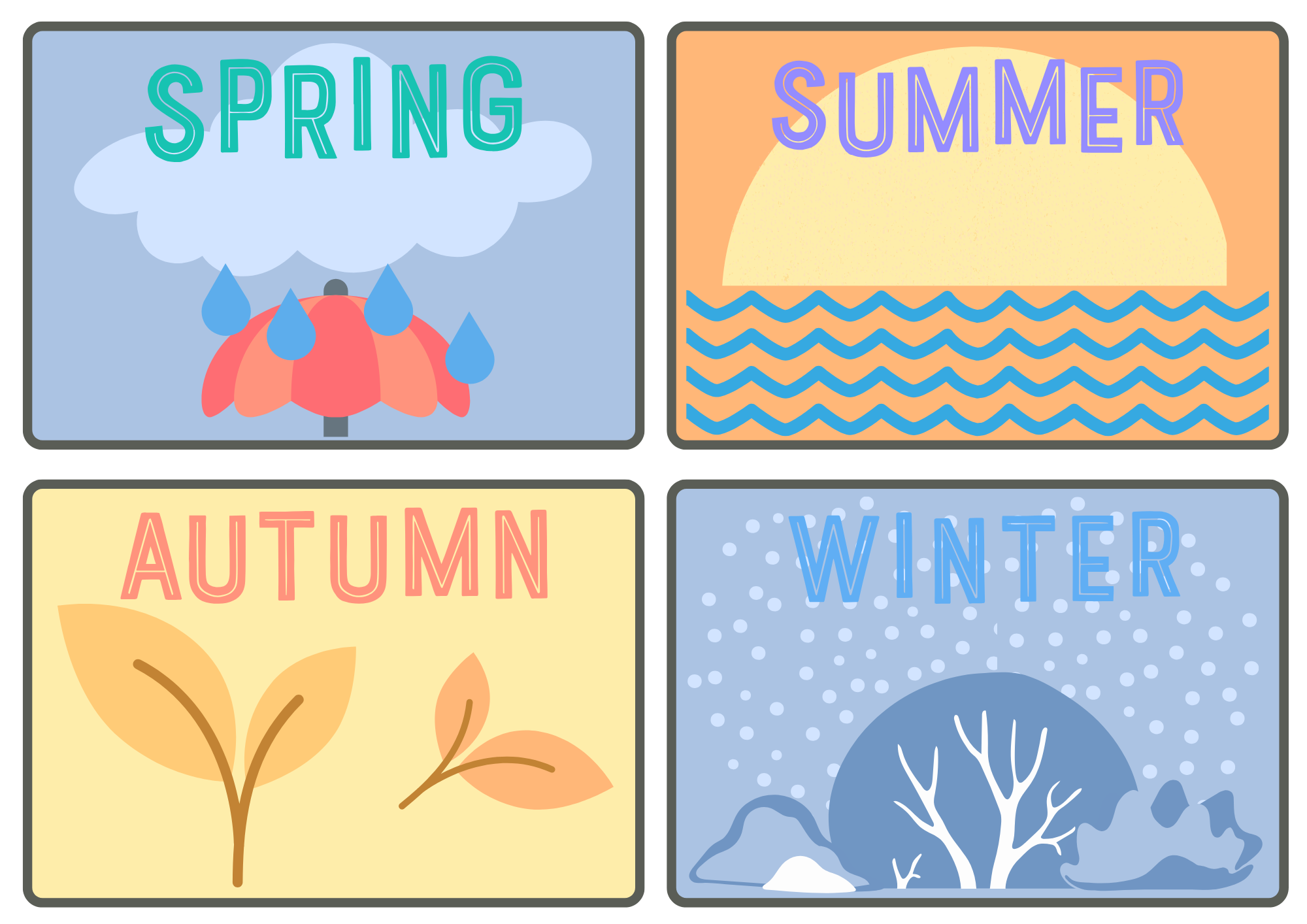
Understanding weather and climate is fundamental to environmental literacy and scientific thinking. Climate and weather flashcards provide an engaging, visual way for children to learn weather patterns, seasonal changes, climate terminology, and environmental concepts. These interactive tools make abstract meteorological concepts concrete and memorable, helping young learners develop a deeper appreciation for the natural world. In this comprehensive guide, we'll explore how climate and weather flashcards enhance learning and provide strategies for effective use.
Why Climate and Weather Education Matters
Climate and weather are integral to children's lives. They affect what we wear, outdoor activities, agriculture, ecosystems, and global systems. However, many children don't develop a deep understanding of weather patterns, climate zones, or environmental concepts until much later in their education. Climate and weather flashcards bridge this gap by introducing these critical concepts early, using visual representation and interactive engagement.
Learning about climate and weather helps children develop environmental awareness, understand cause-and-effect relationships, and build vocabulary for scientific discussion. These foundational concepts support later learning in earth science, environmental studies, and global systems thinking.
Essential Climate and Weather Vocabulary
Effective climate and weather flashcards teach children a comprehensive vocabulary of weather terms and concepts:
- Weather Conditions: Sunny, rainy, cloudy, snowy, windy, foggy, stormy, hail, sleet, drizzle
- Temperature: Hot, warm, cool, cold, freezing, mild, moderate
- Weather Phenomena: Thunder, lightning, tornado, hurricane, blizzard, fog, frost
- Seasons: Spring, summer, autumn/fall, winter and their characteristics
- Climate Zones: Tropical, temperate, desert, polar, Mediterranean
- Water Cycle: Evaporation, condensation, precipitation, collection
- Atmospheric Concepts: Clouds, humidity, pressure, wind, air currents
The Effectiveness of Weather Flashcards
Climate and weather flashcards are particularly effective because they combine visual representation with vocabulary development. Weather is inherently visual – children understand rain, sunshine, and clouds through direct observation. Flashcards that include clear images of these weather phenomena create immediate connections between the word and the concrete experience.
The spaced repetition built into flashcard practice ensures that weather vocabulary becomes internalized and retrievable. When children repeatedly encounter weather words paired with accurate images, the neural connections strengthen, and recall becomes automatic.
Key Features of Effective Weather Flashcards
High-quality climate and weather flashcards should include:
- Accurate Visual Representations: Clear, scientifically accurate images of weather phenomena and climate characteristics
- Multiple Examples: Show how the same weather occurs in different settings (rain in different environments)
- Seasonal Context: Emphasize which weather and seasons go together
- Interactive Elements: Allow children to drag, flip, or manipulate flashcards
- Audio Pronunciation: Correct pronunciation modeling for weather terminology
- Comparative Images: Show contrasts (sunny vs. rainy, hot vs. cold)
- Real-World Connections: Include images of actual weather and climates
- Progressive Difficulty: Start with basic weather conditions, progress to complex climate concepts
Connecting to Real-World Observation
The most powerful climate education combines flashcard learning with real-world observation. When children learn about sunny weather on flashcards and then go outside on a sunny day, they create stronger connections. Weather journals that accompany flashcard learning help children observe, record, and reflect on actual weather patterns in their community.
Teachers and parents can enhance flashcard learning by:
- Directing children's attention to current weather conditions
- Having them identify weather they see outside
- Creating weather charts that track daily conditions
- Discussing how weather affects activities and clothing choices
- Reading weather-related stories and books
- Watching age-appropriate weather and nature documentaries
Seasonal Learning Through Flashcards
Climate and weather flashcards are particularly valuable for teaching seasons. Each season has characteristic weather, appropriate clothing, typical activities, and ecosystem changes. Flashcards help children organize their knowledge about seasons:
- Spring: Warming temperatures, rain, flowers blooming, baby animals
- Summer: Hot temperatures, sunny days, longer daylight, vacation time
- Fall/Autumn: Cooling temperatures, colorful leaves, harvest, preparing for winter
- Winter: Cold temperatures, snow, ice, shorter daylight, holiday celebrations
Understanding Climate vs. Weather
Advanced climate flashcards help children understand the difference between weather and climate. Weather is short-term (today's rain), while climate is long-term patterns (tropical regions receive rain year-round). This distinction is crucial for environmental literacy and understanding climate change.
Effective flashcards progressively introduce this concept, showing how repeated weather patterns define climate, and how different regions have different climates with characteristic weather patterns.
Activities Using Climate Flashcards
Beyond simple flash-and-recall, climate and weather flashcards support engaging activities:
- Matching Games: Match weather vocabulary to images or descriptions
- Seasonal Sorting: Sort weather and climate cards by season
- Climate Zone Mapping: Learn which climates are found in different regions
- Water Cycle Sequencing: Order cards to show water cycle progression
- Clothing Choices: Match clothing to weather conditions shown on cards
- Activity Planning: Suggest activities based on weather conditions
- Storytelling: Create stories about weather adventures
Supporting Science Inquiry
Climate and weather flashcards support the development of scientific thinking. As children engage with weather concepts, teachers can encourage investigation:
- Why does it rain? (Water cycle)
- Why are some places hotter or colder? (Latitude, proximity to water)
- How do animals prepare for different seasons? (Adaptation)
- What causes different weather patterns? (Air pressure, ocean currents)
Building Environmental Awareness
Climate and weather flashcards can build environmental consciousness. As children learn about different climates and weather patterns, they begin to understand:
- Different regions have different climate needs
- Weather patterns affect human activities and agriculture
- Ecosystems are adapted to specific climates
- Climate patterns are interconnected globally
Conclusion
Climate and weather flashcards are powerful tools for building foundational earth science knowledge. By combining accurate visual representations, engaging interactive elements, and connections to real-world observation, these flashcards help children develop rich understanding of meteorological concepts and environmental literacy. Whether used in classrooms, homes, or combined learning environments, climate and weather flashcards support children's development as curious, informed citizens who understand and appreciate the dynamic systems that shape our planet. When children see the connection between what they learn on flashcards and the weather they experience daily, weather and climate become not abstract concepts but observable, fascinating reality!