Color Flashcards for Kids - Learn Vibrant Colors
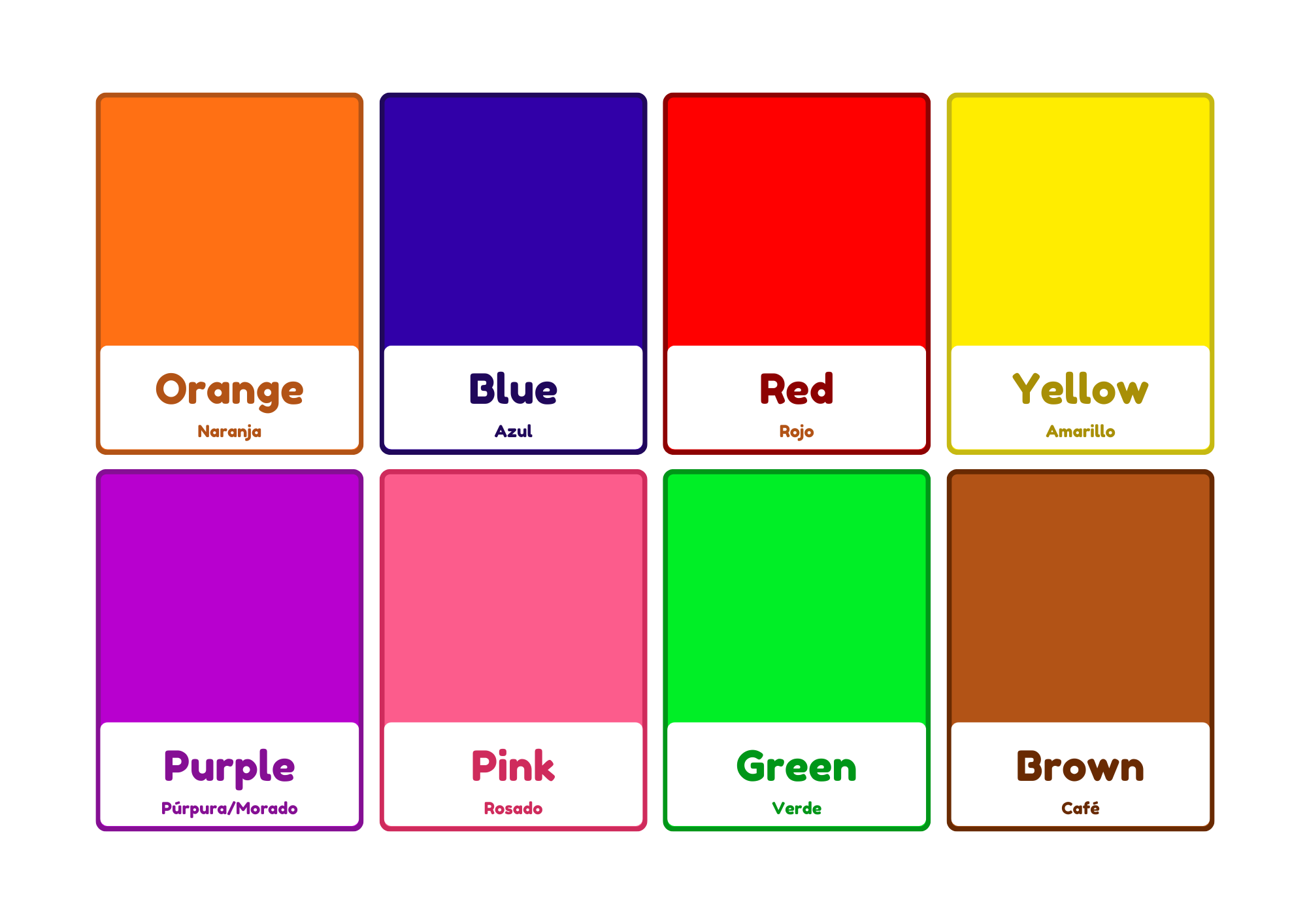
Colors are one of the first things children learn to recognize in the world around them. From the bright blue sky to the vibrant green of nature, colors surround us constantly. Color flashcards are an excellent tool for introducing young learners to the spectrum of colors and helping them develop essential vocabulary and cognitive skills. In this comprehensive guide, we'll explore why color flashcards are so effective for early childhood education and how you can use them to enhance your child's learning journey.
The Importance of Color Recognition in Child Development
Color recognition is a fundamental developmental milestone in early childhood. When children learn to identify and name colors, they're developing multiple cognitive abilities simultaneously. Color learning enhances visual discrimination, memory development, and language skills. It also helps children understand and organize the world around them more effectively.
Beyond basic recognition, learning colors contributes to artistic development, creative expression, and emotional awareness. Different colors can evoke different emotions and feelings, and as children learn to identify colors, they also begin to understand these emotional connections. This holistic approach to color learning supports comprehensive development in multiple areas of a child's growth.
Why Color Flashcards Are Highly Effective
Color flashcards combine the power of visual learning with the simplicity and versatility of flashcard formats. Each card features a bold, vivid color with the color name clearly displayed, making it easy for children to make the connection between the visual and the word. The bright, engaging nature of color flashcards naturally captures children's attention and maintains their interest throughout learning sessions.
The repetition inherent in flashcard practice is particularly effective for color learning. As children see the same color multiple times across different flashcards and in different contexts, they internalize the color and its name more deeply. This repeated exposure, combined with varied activities, creates strong neural connections that support long-term retention and real-world application.
Essential Colors to Learn
While there are countless colors in nature, starting with primary and secondary colors provides a solid foundation for color learning. Here are the core colors that should be included in any comprehensive color flashcard set:
- Red: A primary color associated with warmth, energy, and passion. It's one of the first colors children learn and appears frequently in their environment (apples, fire trucks, tomatoes).
- Blue: A primary color that evokes feelings of calm and peace. It's visible in the sky and ocean, making it easy for children to identify.
- Yellow: A bright primary color associated with sunshine and happiness. It's attention-grabbing and cheerful, making it memorable for young learners.
- Green: A secondary color found abundantly in nature. Plants, trees, and grass make green familiar and relatable to children.
- Orange: A secondary color created from red and yellow. It appears in oranges, pumpkins, and many autumn-related objects.
- Purple: A secondary color that creates a sense of wonder and magic. It appeals to children's imagination and creative thinking.
- Pink: A lighter shade beloved by many children. It encourages creativity and gentle expression.
- Brown: Often overlooked but important for children to recognize. It appears in nature (tree trunks, soil) and everyday objects.
- Black: A dark color that provides contrast and is useful for teaching opposites.
- White: The opposite of black, helping children understand contrast and balance.
Engaging Activities with Color Flashcards
Color flashcards become even more powerful when used in creative, interactive ways. Here are some engaging activities that maximize learning outcomes:
- Color Matching Game: Lay out color flashcards and ask children to find objects around the house that match each color. This connects abstract color learning to the real world.
- Color Sorting: Create categories (warm colors, cool colors, light colors, dark colors) and have children sort flashcards accordingly. This develops classification and critical thinking skills.
- Color Memory Game: Place flashcards face-down and have children flip them over to find matching colors. This builds memory and concentration.
- Storytelling with Colors: Create simple stories using color flashcards. For example, "The red car drives to the blue house." This combines color learning with language development.
- Color Blending: Use colored paper or paints alongside flashcards to show how colors mix. This introduces the concept of color mixing in a hands-on way.
- Color Hunt: Show a color flashcard and have children find that color in their environment. This develops observation skills and real-world connections.
- Artistic Expression: Use flashcards as inspiration for art projects where children create using the featured colors.
Supporting Emotional Development Through Colors
As children learn colors, introduce the emotional associations different colors can evoke. Talk about how red can feel warm and energetic, blue can feel calm and peaceful, and yellow can feel happy and bright. This emotional component enriches color learning and helps children develop emotional intelligence alongside color recognition.
You might discuss how different people feel differently about colors, and that preferences for colors are personal and valid. This teaches acceptance, individuality, and emotional awareness while reinforcing color vocabulary.
Practical Tips for Effective Color Learning
- Keep it Playful: Make color learning fun and games-based rather than rigid or test-like. Children learn best when they're enjoying themselves.
- Use Consistent Language: Always use the same color names to help children develop strong associations.
- Incorporate Real Objects: Move beyond flashcards to find colors in nature, food, toys, and daily life.
- Practice Regularly: Short, frequent color-learning sessions are more effective than long, infrequent ones.
- Celebrate All Colors: Help children appreciate diverse colors rather than having favorites or least favorites.
- Extend Learning: Connect color learning to other subjects like art, nature, culture, and holidays.
Conclusion
Color flashcards are a simple yet powerful tool for supporting your child's early learning and development. Through vibrant visuals and engaging activities, these flashcards help children build vocabulary, develop visual discrimination skills, and make meaningful connections to the world around them. Whether you're a parent, teacher, or caregiver, color flashcards offer an accessible, fun, and highly effective way to introduce the beautiful spectrum of colors to young learners. Start with these essential colors and watch as your child's ability to see and appreciate the colorful world around them grows and deepens. The world becomes so much more interesting when seen through the lens of color!