Learning Colors with Interactive Color Flashcards
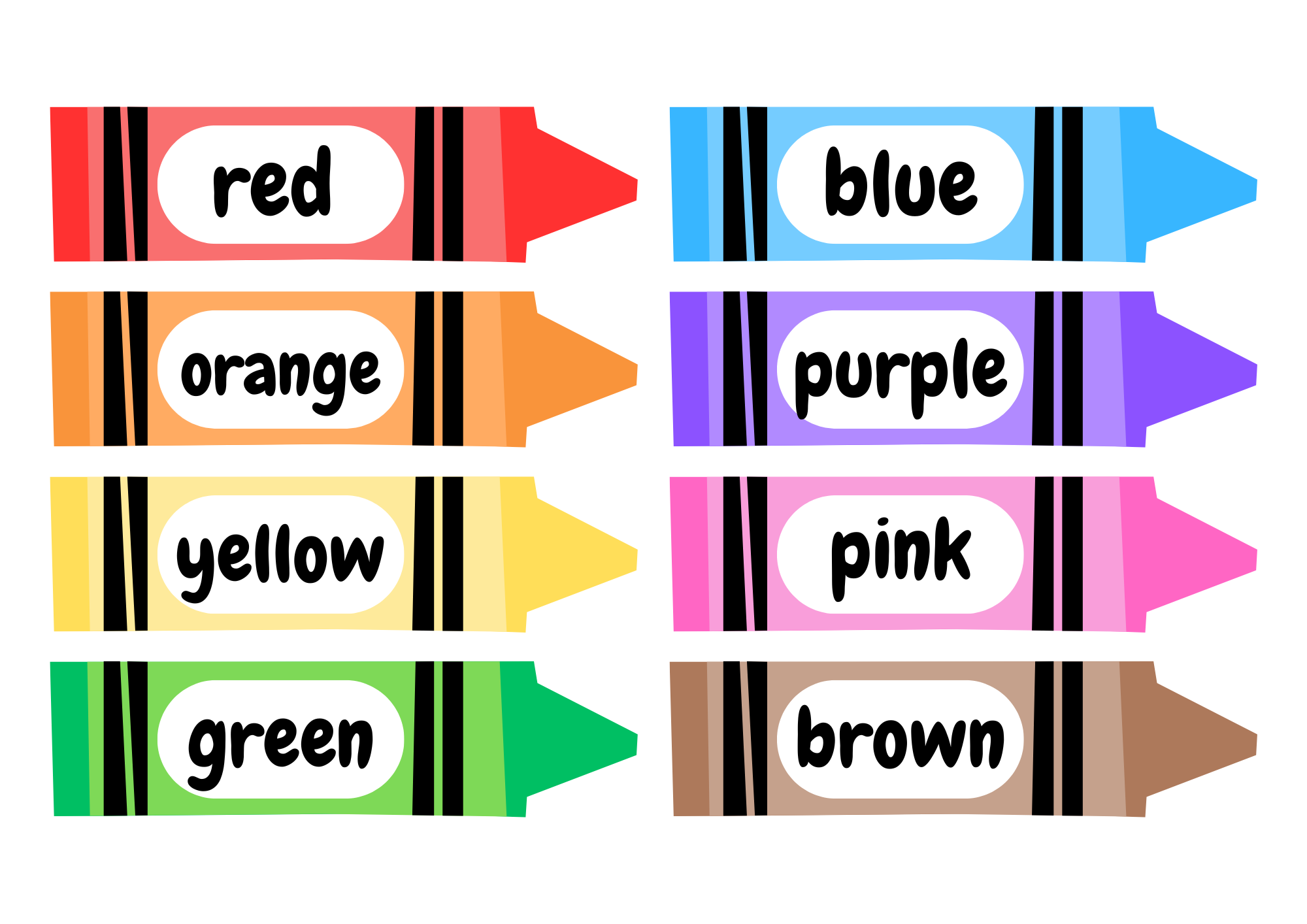
Interactive color flashcards represent a modern approach to color learning that leverages engagement, immediate feedback, and multi-sensory stimulation. Unlike traditional static flashcards, interactive versions engage children through animation, touch responses, sound effects, and real-world connections. In this blog, we'll explore how interactive color flashcards can revolutionize the color learning experience and provide practical strategies for parents and educators to maximize their effectiveness.
The Evolution of Color Learning Tools
Color education has come a long way from simple naming tasks. Modern interactive color flashcards incorporate elements of gamification, immediate feedback, and adaptive learning principles. These tools are designed with developmental psychology in mind, understanding how children learn best and building that understanding into the design of each flashcard and activity.
Interactive color flashcards meet children where they are developmentally and provide the scaffolding necessary to help them progress. Whether a child is just beginning to recognize colors or is learning more nuanced color concepts like shades and tints, interactive flashcards can be adapted to support their current level and challenge them appropriately.
How Interactive Flashcards Enhance Color Learning
The interactive element transforms passive observation into active participation. When children touch a flashcard and see it respond, when they hear a color name pronounced clearly, when they successfully match colors and receive celebratory feedback – these experiences create multiple pathways in the brain that strengthen learning and memory.
The immediate feedback provided by interactive flashcards is particularly powerful. Children learn quickly what's correct and what needs adjustment, allowing them to self-correct and build confidence. This instant reinforcement is much more effective for learning than delayed feedback, which is why interactive flashcards are so pedagogically sound.
Key Features of Effective Interactive Color Flashcards
The best interactive color flashcards include several important design features:
- Vibrant, Clear Colors: Colors are displayed in their purest, most recognizable form with sufficient contrast to be easily distinguished.
- Clear Audio Pronunciation: Each color name is pronounced clearly, supporting auditory learners and correct pronunciation development.
- Visual Animations: Engaging animations draw attention and maintain interest without being distracting.
- Real-World Connections: Each color is paired with familiar objects that children encounter in their daily lives.
- Interactive Touch Elements: Children can tap, swipe, or interact with flashcards to create a sense of agency and control.
- Progressive Difficulty: Basic primary colors lead to secondary colors, then shades and tints, allowing for gradual skill development.
- Positive Reinforcement: Success is celebrated with encouraging messages and visual rewards.
- Multiple Game Modes: Different game types prevent boredom and address different learning objectives.
Effective Strategies for Using Interactive Color Flashcards
To maximize the benefits of interactive color flashcards, educators and parents should employ these evidence-based strategies:
- Start with Primaries: Begin with red, blue, and yellow before introducing secondary colors. This builds a strong foundation.
- Use Consistent Language: Always use the same color names and descriptions to build strong associations.
- Keep Sessions Short but Frequent: Multiple 5-10 minute sessions are more effective than single longer sessions for young children.
- Mix Individual and Group Learning: Some children learn best individually, others in groups. Provide both opportunities.
- Connect to Real-World Objects: After using flashcards, have children find those colors in their environment.
- Encourage Prediction: Ask children to predict which color will appear next or which color matches a real object.
- Use Games to Maintain Engagement: Turn color learning into matching games, sorting activities, or memory games.
- Celebrate Progress: Acknowledge and praise effort, correct responses, and growing confidence.
Beyond Basic Color Recognition: Advanced Color Concepts
Once children have mastered basic color recognition, interactive flashcards can introduce more sophisticated concepts:
- Color Mixing: Show how primary colors combine to create secondary colors.
- Shades and Tints: Introduce lighter (tints) and darker (shades) variations of colors.
- Color Families: Group similar colors together and discuss their relationships.
- Warm and Cool Colors: Help children understand how colors can evoke temperature sensations.
- Color Symbolism: Discuss what different colors represent in different cultures and contexts.
- Color Combinations: Explore which colors look good together and which create contrast.
Technology Integration in Color Learning
Digital interactive color flashcards offer unique advantages:
- Accessibility: Available on multiple devices, allowing learning anytime, anywhere.
- Adaptive Learning: Platforms can adjust difficulty based on the child's performance.
- Progress Tracking: Parents and educators can monitor learning progress over time.
- Engagement Factor: Animations, sounds, and interactive elements increase engagement.
- Variety: Endless variations keep the learning experience fresh and interesting.
- Immediate Feedback: Children receive instant feedback on their responses.
Combining Digital and Physical Learning
While digital interactive flashcards are valuable, research shows that combining them with physical flashcards and hands-on color activities produces optimal results. Physical flashcards allow children to handle materials and engage kinesthetic learning, while digital versions provide interactivity and engagement. Color sorting activities, painting, and natural color hunting complement flashcard learning perfectly.
Supporting Different Learning Styles
Interactive color flashcards can be adapted for different learning styles:
- Visual Learners: Focus on the vivid color displays and color-matching activities.
- Auditory Learners: Emphasize pronunciation and discussions about colors.
- Kinesthetic Learners: Incorporate touching, sorting, and handling colored objects alongside flashcards.
- Read/Write Learners: Include written color names and encourage note-taking about color characteristics.
Measuring Progress and Maintaining Motivation
Keep learning motivating by:
- Celebrating Small Wins: Praise correct identifications and effort, not just final results.
- Tracking Progress: Keep records of which colors children have mastered and which need more practice.
- Varying Activities: Use different game modes and activities to prevent boredom.
- Creating Challenges: Gradually introduce more difficult color concepts and activities.
- Sharing Success: Have children show what they've learned to family members.
Conclusion
Interactive color flashcards represent a significant advancement in color education. By combining visual vibrancy, interactive engagement, immediate feedback, and sound pedagogical principles, these tools create an optimal learning environment for color mastery. Whether used in classrooms, homeschools, or at home, interactive color flashcards help children develop not just color recognition but also vocabulary, cognitive skills, and a deeper appreciation for the colorful world around them. Remember, the goal isn't just to teach children to name colors – it's to help them develop visual literacy, emotional understanding, and a lifelong appreciation for the beauty of colors. With interactive color flashcards, you're providing your child with a powerful, engaging, and highly effective tool for success in early learning and beyond.