Learning Geometric Shapes with Interactive Flashcards
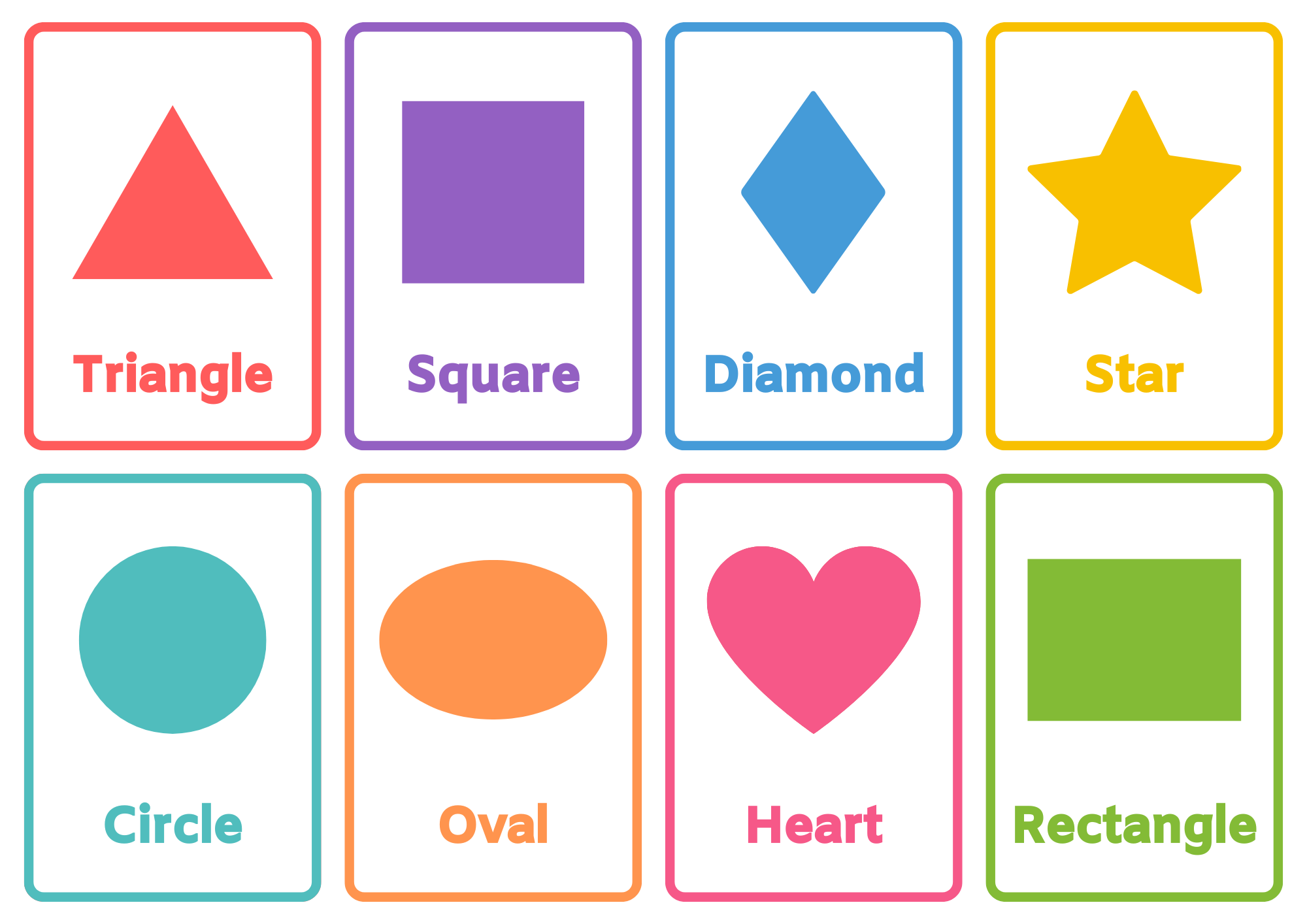
Interactive flashcards have revolutionized the way children learn geometric shapes. Traditional methods of teaching shapes often felt static and disconnected from children's natural curiosity and learning preferences. However, interactive geometric shapes flashcards engage multiple senses and adapt to children's individual learning styles, making shape learning more effective and enjoyable. In this blog, we'll explore how interactive flashcards can transform the geometry learning experience and provide practical strategies for parents and educators to maximize their effectiveness.
The Evolution of Shape Learning: From Static to Interactive
Traditional flashcards have been around for decades, but modern interactive flashcards take learning to a new level. Unlike static images, interactive flashcards can include features such as flip animations, touch responses, color variations, and real-world object matching. These elements make the learning experience more dynamic and engaging, helping children stay focused and motivated.
The beauty of interactive geometric shapes flashcards is that they meet children where they are developmentally. Whether a child is a visual learner, a kinesthetic learner, or an auditory learner, interactive flashcards can be adapted to suit different learning styles. This versatility ensures that every child has the opportunity to succeed in learning and understanding shapes.
How Interactive Flashcards Enhance Shape Recognition
Interactive flashcards work by engaging children's attention through immediate feedback and rewards. When a child correctly identifies a shape, they see the image flip, colors light up, or they hear a celebratory sound. This instant gratification reinforces the correct answer and motivates the child to continue learning.
The interactive element also helps with long-term retention. When children participate actively in the learning process rather than passively observing, they're more likely to remember the information. The combination of visual stimulation, physical interaction, and positive reinforcement creates multiple neural pathways that strengthen memory and understanding.
Key Features of Effective Interactive Geometric Shapes Flashcards
The best interactive flashcards include several important features that enhance learning outcomes:
- Clear Visual Design: Shapes are displayed in bright, contrasting colors with clean, easy-to-read outlines. This clarity helps children quickly distinguish between different shapes.
- Flip Animation: Animated flips reveal the shape name and properties, creating a sense of discovery and excitement.
- Real-World Connections: Each shape is paired with familiar objects from the child's environment, helping them make meaningful connections.
- Progressive Difficulty: Basic shapes introduce first, followed by more complex shapes as the child's confidence grows.
- Multiple Sensory Input: Combining visual images, spoken names, and written words appeals to different learning modalities.
- Positive Reinforcement: Success is rewarded with encouraging feedback that boosts confidence and motivation.
- Interactive Elements: Touchable, movable, or clickable elements allow children to actively participate rather than passively observe.
Strategies for Using Interactive Flashcards Effectively
To get the most out of interactive geometric shapes flashcards, parents and educators should follow these evidence-based strategies:
- Start Simple: Begin with the most basic shapes (circle, square, triangle) and gradually introduce more complex ones as the child demonstrates mastery.
- Use Consistent Language: Always use the same terms when referring to shapes. Consistency helps children build strong mental associations.
- Create a Routine: Dedicate a specific time each day to flashcard practice. Consistency helps children develop habits and expectations.
- Mix Learning Methods: Combine flashcard learning with hands-on activities like tracing, drawing, and shape hunting to reinforce learning through multiple modalities.
- Encourage Exploration: Allow children to ask questions and make observations about shapes. This curiosity-driven approach leads to deeper understanding.
- Celebrate Success: Praise effort and progress, not just correct answers. This builds intrinsic motivation and confidence.
- Extend Learning: Connect shape learning to real-world applications like art, architecture, and nature exploration.
Beyond Basic Recognition: Building Mathematical Thinking
While shape recognition is the starting point, interactive flashcards can also facilitate deeper mathematical thinking. As children become familiar with basic shapes, educators can use flashcards to explore shape properties, such as:
- Sides and Angles: How many sides does each shape have? How many corners (angles)?
- Shape Combinations: What shapes can be made by combining other shapes?
- Transformations: What happens when a shape is rotated, flipped, or enlarged?
- Classification: Which shapes belong together? Why?
- Real-World Applications: Where do we find each shape in nature and architecture?
Technology and Interactive Flashcards
In today's digital age, many interactive geometric shapes flashcards are available in digital formats, apps, and online platforms. Digital interactive flashcards offer several advantages:
- Accessibility: Available anytime, anywhere on tablets, computers, or smartphones.
- Customization: Can be tailored to individual learning needs and pace.
- Tracking: Digital platforms can track progress and provide insights into learning patterns.
- Engagement: Games, animations, and interactive elements increase engagement and motivation.
- Variety: Endless variations and combinations keep learning fresh and exciting.
Combining Digital and Physical Learning
While digital interactive flashcards are valuable, research shows that combining digital and physical learning experiences yields the best results. Physical flashcards allow children to handle materials, which engages the kinesthetic sense. Digital versions provide interactivity and tracking capabilities. By combining both approaches, educators and parents can create a comprehensive learning experience that addresses all learning styles.
Measuring Progress and Adjusting Strategies
Effective learning requires monitoring progress and adjusting strategies as needed. Here are some ways to assess shape learning:
- Observation: Watch how quickly and accurately children identify shapes during flashcard sessions.
- Real-World Application: Notice whether children can identify shapes in their environment without prompting.
- Creative Expression: Assess whether children can draw and create shapes independently.
- Verbal Explanation: Ask children to explain what they've learned about shapes in their own words.
Conclusion
Interactive geometric shapes flashcards represent a significant advancement in shape education. By combining visual appeal, interactivity, and educational sound pedagogy, these tools help children develop a deep and lasting understanding of geometric concepts. Whether used in classrooms, homeschools, or at home, interactive flashcards offer an engaging and effective way to build children's mathematical thinking skills and spatial awareness. Remember, the goal isn't just to teach children to recognize shapes – it's to inspire curiosity, build confidence, and lay a strong foundation for future mathematical learning. With interactive geometric shapes flashcards, you're giving your child a powerful tool for success in mathematics and beyond.